- PH: +91 8828443924
- Email: Response@ShrinithaFurnace.Com

Annealing Furnace Manufacturer & Exporter in India
Industrial Annealing Furnace – 300°C to 900°C
Srinitha Scientific is an Indian manufacturer and exporter of Industrial Annealing Furnaces, designed for controlled thermal processing of metals, steel, and other suitable materials. Our Annealing Furnaces operate within a temperature range of 300°C to 900°C, making them suitable for a wide variety of industrial heat treatment and material-processing applications.
An Annealing Furnace is a specialized heating system used to modify the physical and mechanical properties of materials through controlled heating, temperature holding, and cooling. Depending on the material and annealing process, the treatment can help reduce hardness, relieve internal stresses, improve ductility, and enhance machinability.
Srinitha Scientific offers annealing furnace solutions for manufacturing plants, engineering workshops, metalworking industries, wire-processing facilities, and industrial heat treatment units. Our furnaces can be configured according to the required temperature, component dimensions, batch capacity, loading arrangement, and production requirements.
With a focus on controlled heating, practical industrial design, and application-oriented customization, we provide furnace solutions for different annealing requirements across manufacturing and material-processing industries.
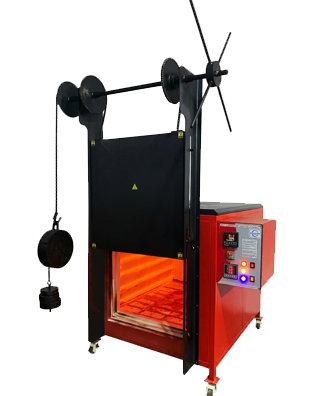
Industrial Annealing Furnace
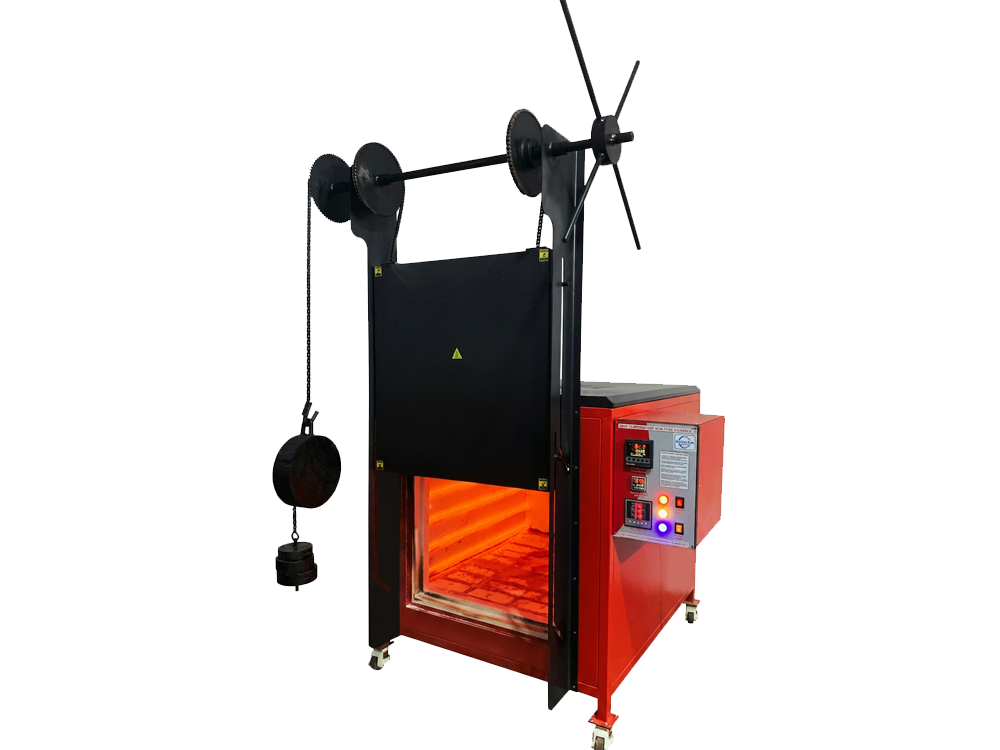
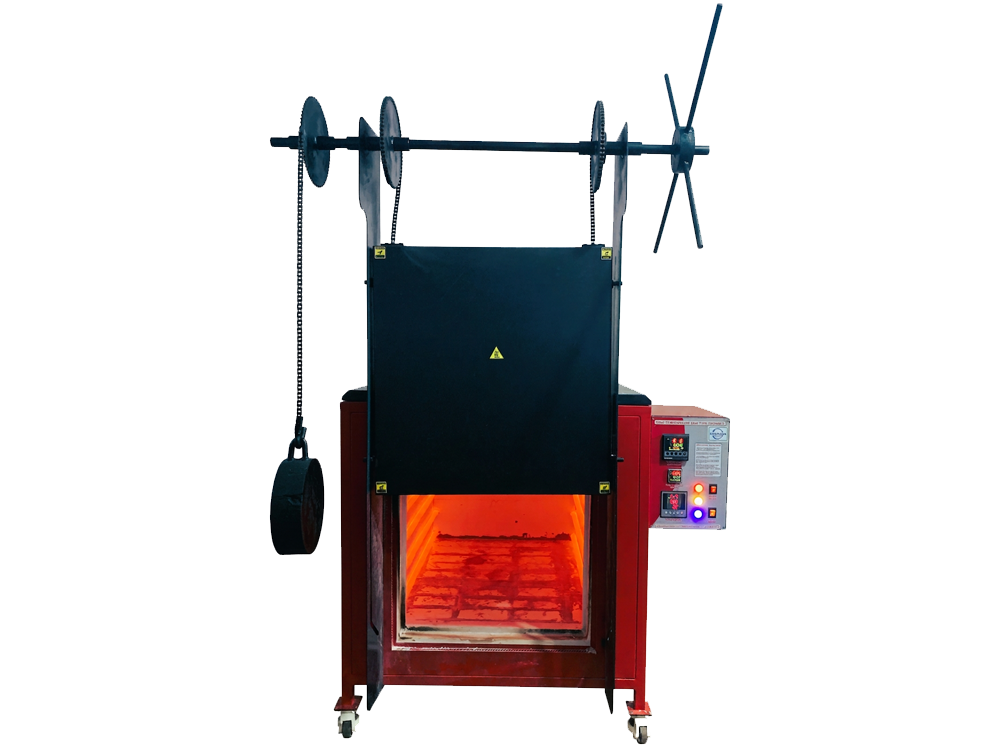
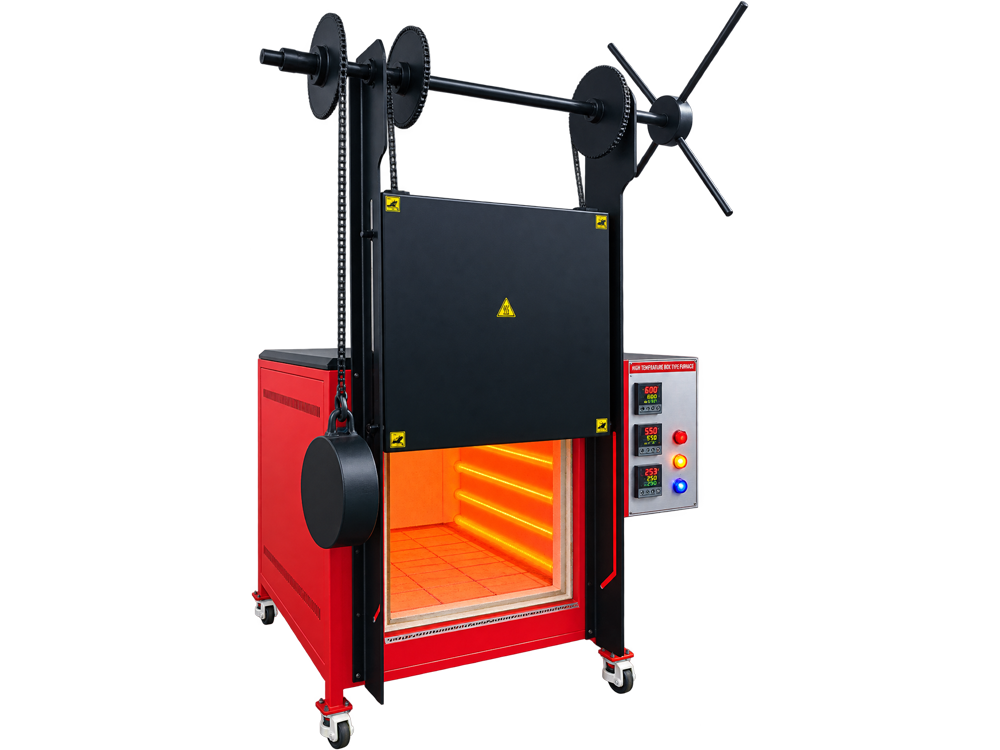
Key Features of Annealing Furnace
- Operating temperature range: Designed for temperatures from 300°C to 900°C, depending on the selected model.
- Controlled heating cycles: Supports regulated heating and holding periods according to the required annealing process.
- Temperature control system: Digital or programmable temperature controller options, depending on the furnace configuration.
- Thermal insulation: Insulated furnace construction designed to minimize heat loss and support efficient operation.
- Industrial construction: Suitable for repeated thermal processing in manufacturing and engineering environments.
- Flexible loading arrangements: Configurations can be selected for different component sizes, weights, and batch requirements.
- Versatile processing: Suitable for compatible annealing, stress-relieving, and other thermal treatment applications.
- Customized configurations: Chamber dimensions, heating arrangements, and selected accessories can be designed according to customer requirements.
Technical Specifications of Annealing Furnace
| Parameter | Specification |
|---|---|
| Product Name | Industrial Annealing Furnace |
| Manufacturer | Srinitha Scientific |
| Furnace Category | Industrial Heat Treatment Furnace |
| Operating Temperature Range | 300°C to 900°C |
| Heating System | Electrical resistance heating or other available configuration, as per model |
| Temperature Controller | Digital / programmable controller, depending on model |
| Temperature Sensor | Suitable thermocouple selected according to operating temperature |
| Furnace Chamber | Enclosed heating chamber, dimensions as per model |
| Heating Zones | Single-zone or multi-zone, depending on configuration |
| Loading Arrangement | Front-loading, top-loading, or other available design |
| Insulation | High-temperature thermal insulation |
| Cooling Arrangement | Natural or controlled cooling, according to furnace design |
| Atmosphere Control | Optional, subject to model and process requirements |
| Power Supply | As per furnace capacity and electrical requirements |
| Customization | Available according to application requirements |
Note: The above specifications describe general configuration options. Actual chamber dimensions, batch capacity, heating rate, temperature uniformity, power rating, cooling characteristics, and atmosphere-control options depend on the selected model and should be confirmed before ordering.
Working Principle of Annealing Furnace
An Annealing Furnace works by heating a material to a predetermined temperature, maintaining it for a specified duration, and then cooling it according to the requirements of the material and the intended annealing process.
The general process involves the following stages:
1. Loading the Material
Metal components, steel parts, wires, strips, sheets, or other compatible materials are placed inside the furnace chamber using a suitable loading arrangement.
2. Controlled Heating
The furnace gradually raises the material temperature to the required annealing temperature. The temperature is selected according to the material composition, initial condition, and intended treatment.
3. Soaking or Holding
The material is maintained at the specified temperature for a predetermined period. This allows the required thermal changes to occur throughout the workpiece, depending on its dimensions and material characteristics.
4. Controlled Cooling
After the holding period, the material is cooled according to the prescribed annealing cycle. Depending on the material and process, cooling may take place inside the furnace or through another specified cooling arrangement.
For many steels annealing processes, slow cooling is used to achieve the intended metallurgical properties. Other materials and annealing treatments may require different cooling conditions.
The appropriate temperature, holding duration, and cooling rate must be selected according to the material grade and required final properties.
Types of Annealing Furnace
Annealing Furnaces are available in different configurations to accommodate component geometry, batch size, production volume, and material-processing requirements.
1. Box Type Annealing Furnace
A Box Type Annealing Furnace features an enclosed rectangular heating chamber designed for batch processing of metal components and industrial materials.
It is suitable for compatible steel parts, tools, fabricated components, and other workpieces requiring controlled heating and cooling.
The chamber dimensions, loading arrangement, and heating capacity can be selected according to the required batch size and process temperature.
2. Chamber Type Annealing Furnace
A Chamber Type Annealing Furnace is designed for controlled thermal treatment of components placed inside an insulated heating enclosure.
Depending on the model, it can be configured for annealing, stress relieving, and other compatible thermal processing applications in engineering workshops and manufacturing facilities.
3. Pit Type Annealing Furnace
A Pit Type Annealing Furnace features a vertically arranged heating chamber, making it suitable for selected components and materials that require vertical loading.
It can be considered for compatible wire coils, rods, long components, and bundled materials, subject to furnace dimensions and loading requirements.
The chamber diameter, working height, and loading capacity should be selected according to the dimensions and weight of the material.
4. Bogie Hearth Annealing Furnace
A Bogie Hearth Annealing Furnace incorporates a movable hearth or trolley to facilitate loading and unloading of heavy or bulky workpieces.
It is suitable for larger metal components, fabricated parts, castings, and other compatible materials that require a substantial loading platform.
This arrangement can be considered for industrial applications where component dimensions or weight make conventional chamber loading less practical.
5. Continuous Annealing Furnace
A Continuous Annealing Furnace is designed for processing compatible materials that move through the heating system along a defined production path.
Depending on the configuration, conveyor, mesh-belt, roller-hearth, or other material-handling arrangements may be used.
Continuous systems can be considered for production applications involving suitable wires, strips, small components, and materials requiring repetitive thermal processing.
Availability depends on the production requirements and furnace design.
6. Customized Annealing Furnace
Customized Annealing Furnaces are designed around specific industrial processing requirements.
Customization may include:
- Special furnace chamber dimensions and batch capacity.
- Customized loading and unloading arrangements.
- Single-zone or multi-zone heating configurations.
- Digital or programmable temperature control.
- Suitable gas-purging or atmosphere-control provisions.
- Specialized material-handling arrangements.
The availability of each configuration depends on the required temperature, material characteristics, production volume, and engineering feasibility.
Applications of Annealing Furnace
Industrial Annealing Furnaces are used across manufacturing and material-processing industries where controlled thermal treatment is required to modify material properties.
1. Steel and Metal Processing
Used for annealing compatible steel and metal components to reduce hardness, improve ductility, and support subsequent manufacturing operations.
2. Automotive Component Manufacturing
Suitable for thermal treatment of selected automotive components, including compatible shafts, gears, fasteners, and other metal parts requiring specific material properties.
3. Wire and Cable Manufacturing
Used for annealing compatible metal wires and wire products to improve flexibility and workability following drawing or forming operations.
4. Sheet Metal and Strip Processing
Suitable for annealing selected metal sheets, strips, and coils to modify hardness and improve formability for further processing.
5. Forging and Foundry Industries
Used for annealing compatible forged and cast components to reduce residual stresses, improve machinability, and prepare materials for subsequent manufacturing operations.
6. Tool and Die Manufacturing
Suitable for annealing selected tool steels and metal components where reduced hardness or improved machinability is required before further processing.
7. Engineering and Machine Components
Used for thermal treatment of compatible machine parts, fabricated components, and industrial metal products according to specified material requirements.
8. Brass, Copper, and Aluminium Processing
Can be configured for annealing suitable non-ferrous materials, including compatible copper, brass, and aluminium products. The temperature range and treatment cycle must be selected according to the specific alloy and material condition.
9. Industrial Research and Development
Suitable for metallurgical research, material testing, process development, and thermal treatment studies in industrial and academic laboratories.
Advantages of Annealing Furnace
Improved Ductility and Workability
Appropriate annealing treatment can improve the ductility and formability of compatible materials, supporting subsequent forming, drawing, and machining operations.
Reduction of Internal Stresses
Annealing and suitable stress-relieving cycles can help reduce residual stresses generated during manufacturing processes such as welding, machining, casting, and forming.
Improved Machinability
For suitable material grades, annealing can reduce hardness and improve machinability, making components easier to process during subsequent manufacturing stages.
Controlled Thermal Processing
Temperature regulation and defined holding cycles help manage the thermal treatment according to material and process requirements.
Flexible Batch Processing
Suitable furnace configurations can accommodate different component dimensions and batch sizes, depending on the selected design.
Consistent Processing Conditions
Properly designed heating arrangements and controlled operating cycles support repeatable thermal processing when loading, temperature, holding time, and cooling are managed correctly.
Customizable Industrial Design
Chamber dimensions, heating capacity, loading arrangements, and optional accessories can be selected to suit different industrial requirements.
Temperature Control and Safety Features
Temperature control and safe operation are important considerations in industrial annealing applications.
Depending on the selected model, Srinitha Scientific Annealing Furnaces can be configured with:
- Digital temperature indication and control.
- Programmable heating and soaking cycles.
- Suitable thermocouple-based temperature measurement.
- Over-temperature protection provisions.
- Electrical control panels with operating controls.
- Door interlocks or other safety arrangements, where applicable.
The availability and specifications of these features depend on the selected furnace model and customer requirements.
For applications involving protective gases, combustible materials, or specialized cooling systems, appropriate process-specific safety arrangements should be incorporated into the furnace design.
Optional Accessories and Customization
The following options may be considered according to the selected model and intended application:
- Programmable temperature controller.
- Additional temperature measurement points.
- Customized furnace chamber dimensions.
- Loading trays, racks, and material fixtures.
- Multi-zone heating and control arrangements.
- Compatible controlled-atmosphere provisions.
- Specialized loading and unloading accessories.
- Data logging or process monitoring options, where available.
All accessories should be selected according to the material, operating temperature, component dimensions, and intended thermal treatment cycle.
Why Choose Srinitha Scientific?
Srinitha Scientific is an Indian manufacturer and exporter of Industrial Annealing Furnaces, offering thermal processing equipment for manufacturing, engineering, and metalworking applications.
Our focus is on understanding the customer's material and production requirements and offering a suitable furnace configuration.
- Indian manufacturer and exporter of Annealing Furnaces.
- Operating temperature range from 300°C to 900°C.
- Application-based furnace customization.
- Options for chamber design, temperature control, and loading arrangements.
- Solutions for metalworking, automotive, wire processing, and engineering industries.
We aim to provide practical industrial furnace solutions that support controlled thermal processing and the specific requirements of our customers.
Contact Srinitha Scientific for Annealing Furnace
Looking for an Industrial Annealing Furnace for steel components, metal wires, sheets, coils, fabricated parts, or other manufacturing applications?
Contact Srinitha Scientific to discuss your material grade, required annealing temperature, component dimensions, batch capacity, and production requirements.
Our team can help identify a suitable furnace configuration for your industrial thermal processing application.
Srinitha Scientific – Manufacturer & Exporter of Industrial Annealing Furnaces in India.
Frequently Asked Questions (FAQs)
1. What is an Annealing Furnace?
An Annealing Furnace is an industrial heating system used to heat materials to a specified temperature, hold them for a predetermined duration, and cool them according to the required thermal treatment cycle.
The process can help reduce hardness, improve ductility, relieve internal stresses, and enhance machinability in suitable materials.
2. What is the operating temperature range of Srinitha Scientific Annealing Furnace?
Srinitha Scientific manufactures Annealing Furnaces with operating temperatures ranging from 300°C to 900°C. The suitable model depends on the required process temperature and material specifications.
3. Which materials can be processed in an Annealing Furnace?
Depending on the furnace configuration, compatible materials may include steel, carbon steel, alloy steel, copper, brass, aluminium, and selected metal alloys.
The appropriate annealing temperature and cooling cycle depend on the material composition and intended treatment.
4. What is the main purpose of annealing?
Annealing is performed to modify material properties. Depending on the material and process, it can reduce hardness, improve ductility, relieve internal stresses, and improve machinability.
5. What is the difference between annealing and tempering?
Annealing is generally used to soften suitable materials, improve ductility, or relieve stresses through a selected heating and cooling cycle.
Tempering is generally performed after hardening to reduce brittleness and achieve the required balance of hardness and toughness in hardened steel.
6. Can an Annealing Furnace be used for stress relieving?
Yes. A suitably configured furnace can be used for compatible stress-relieving applications. The temperature and holding time must be selected according to the material and intended result.
7. Can the furnace chamber size be customized?
Yes. Chamber dimensions, loading arrangements, and capacity can be customized according to component size, weight, batch quantity, and production requirements, subject to engineering feasibility.
8. Is a programmable temperature controller available?
Programmable temperature control can be offered depending on the selected model. It supports the management of heating stages, holding periods, and temperature settings.
9. Does Srinitha Scientific manufacture Annealing Furnaces in India?
Yes. Srinitha Scientific is an Indian manufacturer and exporter of Industrial Annealing Furnaces, offering configurations with operating temperatures from 300°C to 900°C for suitable thermal processing applications.